Is Kansas Peony Deer Resistant? What Gardeners Should Know
If you're planting a garden where deer pressure is a real concern, Kansas Peony is a sensible choice. This hardy perennial ranks among the more deer-resistant options for northern and mid-zone gardens, though no plant is truly "deer-proof." Understanding what makes peonies less attractive to deer, and how to protect them when needed, helps you build a thriving landscape.
Deer Resistance Basics
Is Kansas Peony truly deer resistant?
Kansas Peony is generally considered deer resistant, meaning deer prefer other plants when given a choice. The thick, glossy foliage and strong stems discourage casual browsing, though "resistant" does not mean "guarantee proof".
Why don't deer find peonies appealing?
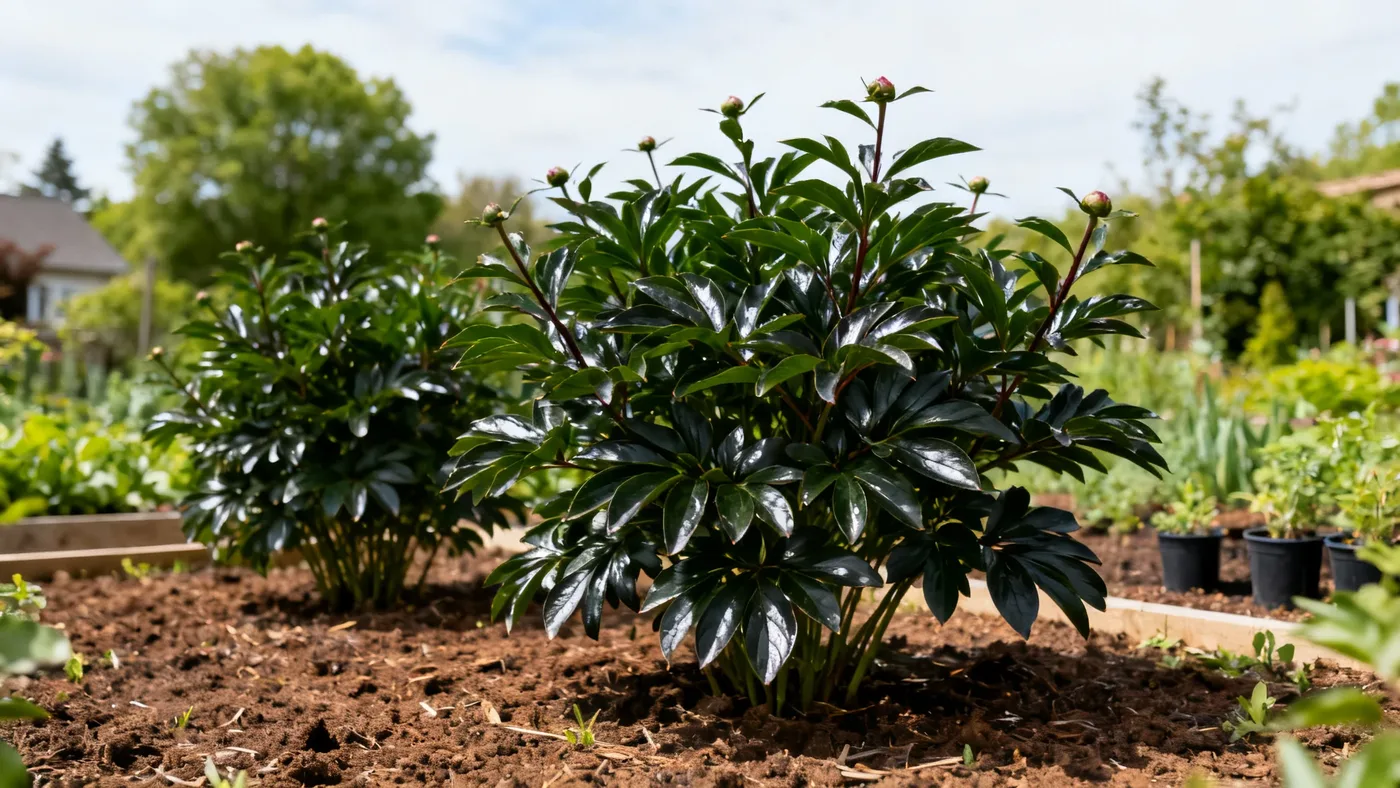
Peonies have a texture and chemistry that deer naturally avoid. The leathery, compound divided leaves lack the tender, succulent quality that makes other perennials irresistible, and the plant's natural compounds make it less palatable than nearby hostas, tulips, or young shrubs.
Do all peony varieties offer the same deer resistance?
Most Paeonia lactiflora varieties, including Kansas Peony, share similar deer-resistance traits. Differences between cultivars are minor, and the plant's health status and local deer population pressure matter more than switching between one red peony and another.
When are deer most likely to damage peonies?
Late winter and early spring are peak risk times, when newly emerged shoots are soft and green, and natural forage is scarce. By the time Kansas Peony reaches its late-May bloom period and develops tough, mature foliage, deer pressure typically decreases.
Can I rely on deer resistance alone to keep my garden safe?
Deer resistance is one layer of defense, not a complete solution. In high-pressure areas where the deer population is large and natural food is limited, even resistant plants may be sampled, so combining Kansas Peony with fencing, deterrents, or a varied landscape of resistant plants offers better results.
Other Wildlife and Pet Safety
Are peonies toxic to dogs and cats?
Kansas Peony is mildly toxic to dogs and cats if ingested and can cause vomiting, diarrhea, or drooling. However, it is not considered a significant hazard during normal garden handling, and most pets avoid the tough foliage and stems naturally.
Do rabbits eat Kansas Peonies?
Rabbits are less attracted to peony foliage than to lettuce, clover, or young tree bark, but they may nibble emerging shoots in spring. Protecting young plants with low fencing or netting in early growth stages provides extra security if rabbit pressure is high.
What role do ants play on peony buds?
Ants commonly visit peony buds to feed on the nectar secretions, a relationship that is entirely benign. The ants do not harm the plant and do not prevent blooms from opening.
Are there other wildlife problems besides deer and rabbits?
Peony scale, thrips, and root-knot nematodes can occasionally affect peonies, but these are pest management issues rather than wildlife grazing. Botrytis blight and powdery mildew are more common concerns, and wildlife damage typically looks like bitten leaves or browsed shoots, which differs from disease or insect injury.
Companion Planting and Landscape Design
What plants pair well with Kansas Peony for deer resistance?
Bearded iris, Siberian iris, catmint (Nepeta), and ornamental alliums are all relatively deer resistant and bloom near the same season. These companions create a layered, textured bed that feels less appealing to browse and reduces the visual impact of any single-species deer damage.
Should I plant other red peonies alongside Kansas Peony?
Planting multiple peony cultivars adds visual variety and staggered blooming periods, though all Paeonia lactiflora varieties bloom in roughly the same late-spring window. For bloom extension, combine Kansas Peony with earlier-blooming iris or later-blooming roses.
How far apart should I space peonies and companion plants?
Space Kansas Peony plants 3 feet (30 to 36 inches) apart to allow good air circulation and mature growth. Catmint and alliums can be planted closer at 12 to 18 inches since they are smaller at maturity, while bearded iris can be spaced at 2 feet.
Do roses attract more deer pressure than peonies?
Roses vary widely in deer resistance; some cultivars are browsed heavily while others are left alone. Kansas Peony, by comparison, is more consistently avoided, and combining the two offers balance if deer sample the roses.
Growing Conditions and Care
Does full sun improve peony resistance to deer?
Full sun (6 or more hours daily) promotes strong, healthy foliage that is less palatable to deer than weak growth in shade. In USDA zones 3 through 8, Kansas Peony thrives in full sun and produces more robust stems and blooms.
Will excess fertilizer make peonies more attractive to deer?
Over-fertilizing, especially with high-nitrogen products, promotes lush, soft growth that can attract more browsing. Balanced, moderate feeding or light compost application in early spring is sufficient to keep stems strong but less "tender" to the deer palate.
How long until a newly planted peony becomes fully established?
Kansas Peony typically reaches full flowering potential in 3 to 4 years after planting. Young plants in years 1 and 2 may produce fewer or no blooms while roots establish, and young foliage can be more tender, so protecting first-year plants with netting in high-deer areas offers extra assurance.
Can watering practices affect deer damage?
Consistent, moderate watering during the first 1 to 2 years builds strong root systems and tougher foliage. Once established, Kansas Peony is moderately drought tolerant and requires less supplemental water, and well-watered, healthy plants are generally less appealing to browse than water-stressed specimens.
Common Problems and Solutions
Why do my peony buds fail to open?
Bud blast, or failure to open, is usually caused by botrytis blight (gray mold) or planting too deep. Ensure eyes sit no more than 1 to 2 inches below soil surface and provide good air circulation to prevent fungal issues.
How do I tell the difference between deer damage and disease?
Deer damage appears as bitten, torn, or browsed foliage and shoots with clean, irregular edges. Disease like leaf spot or powdery mildew produces discolored patches, spots, or powdery coatings, and broken stems from deer rubbing are more jagged than disease symptoms.
Should I remove ants from peony buds?
No, there is no need to remove ants. They are beneficial visitors that do not harm the plant or prevent blooming, and attempting to spray or dust them off risks damaging the delicate buds.
Are flopping stems a sign of herbivore damage?
Flopping stems in heavy bloom are usually a structural problem, not herbivore damage. Kansas Peony can reach 24 to 30 inches tall (sometimes up to 36 inches) with thick double blooms that outweigh slender stems, and staking or caging plants in early spring prevents this.
Protection Strategies
Do I need fencing to protect Kansas Peonies?
Fencing is the most reliable defense in very high-deer-pressure areas. A 6 to 8-foot tall fence prevents most deer from browsing, though Kansas Peony's natural resistance often provides adequate protection without it.
What deterrents work best on peonies?
Taste deterrents (capsaicin sprays), scent deterrents (soap, predator urine), and motion-activated sprinklers all work to varying degrees. No single product is universally effective, and rotating deterrents every few weeks prevents deer from becoming accustomed to them.
When should I apply deer deterrents?
Begin applications in late winter when shoots first emerge and again in early fall as deer prepare for winter. Monthly reapplication during peak risk times improves effectiveness, though deterrents may not be necessary at all in low-pressure areas.
Quick Reference Checklist
| Aspect | Kansas Peony |
|---|---|
| Deer Resistant? | Yes, relatively; resistant but not guaranteed proof |
| Rabbit Resistant? | Largely; young shoots may be nibbled in spring |
| Safe for Dogs/Cats? | Mildly toxic if ingested; minor risk during normal handling |
| Spacing (center to center) | 3 feet (30-36 inches) |
| Mature Height | 24-30 inches (up to 36 inches) |
| USDA Zones | 3-8 |
| Sun Requirement | Full sun (6+ hours) for best deer resistance |
| Years to Full Bloom | 3-4 years after planting |
| Peak Risk Times (Deer) | Late winter, early spring; early fall |
| Best Companion Plants | Bearded iris, Siberian iris, catmint, alliums |
For more details on growing Kansas Peony successfully, including detailed care steps and seasonal timing, see Kansas Peony Care: The Complete Growing Guide.