Kansas Peony Care: The Complete Growing Guide
Key Takeaways
Kansas Peony (Paeonia lactiflora 'Kansas') is a hardy, deep-red flowering perennial for USDA zones 3-8. Plant bare-root divisions in fall, container plants in spring or fall. The most critical step: bury the eyes (pink buds on the root crown) only 1-2 inches below soil. Give your peony 3 feet of space, full sun, well-drained soil, and regular water for the first two years. Once established, expect 50+ years of reliable bloom with minimal fuss.
Contents
- What Is Kansas Peony?
- Planting Depth and Timing
- Sunlight and Site Selection
- Watering, Soil, and Fertility
- Pruning and Seasonal Care
- Pests, Diseases, and Troubleshooting
- Quick Reference Checklist
What Is Kansas Peony?
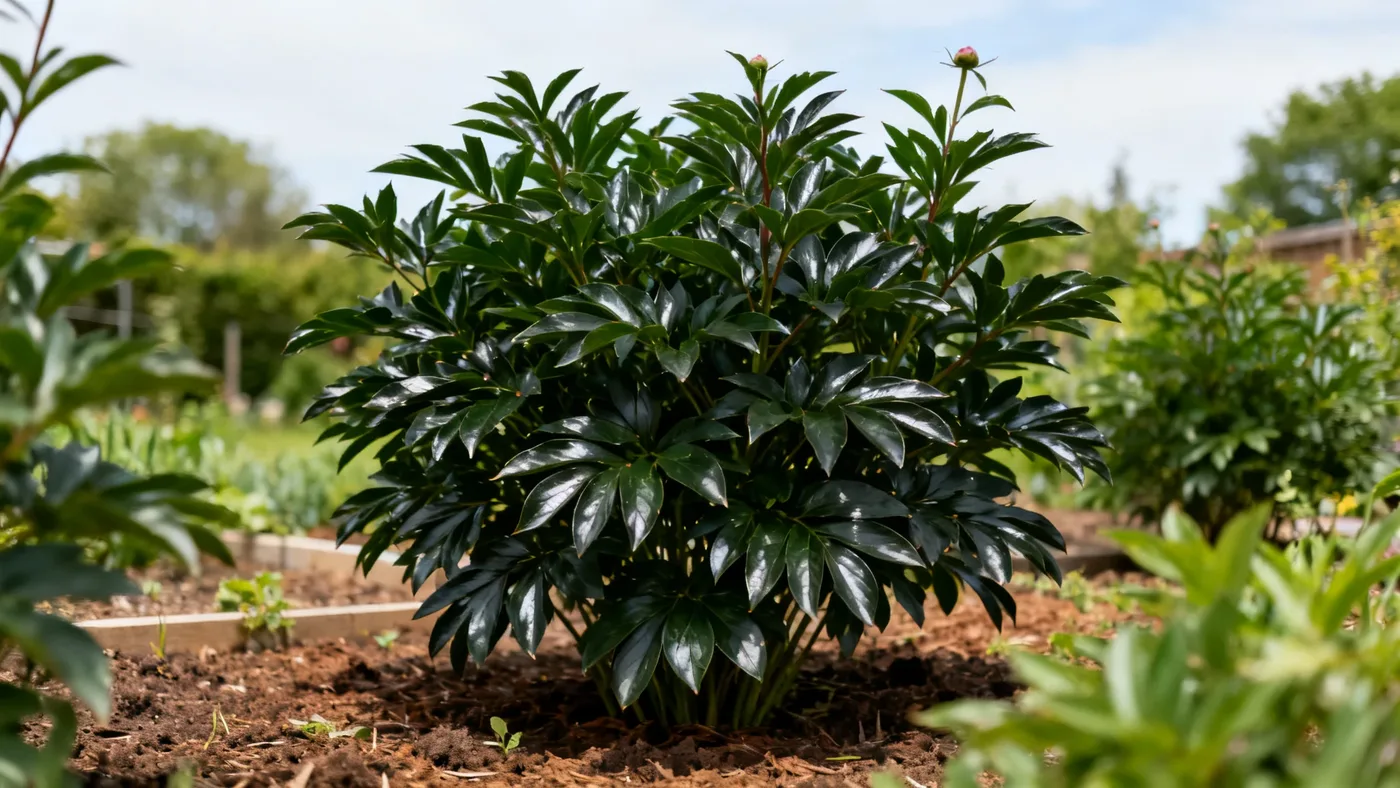
Kansas Peony is a herbaceous perennial that was introduced in 1926 by Brand Peony Farm in Faribault, Minnesota. It is a cultivar of Paeonia lactiflora, a species native to central and eastern Asia. In gardens, Kansas Peony grows into a tidy clump with glossy, dark green compound leaves that sometimes turn bronze or burgundy in fall before dropping completely.
The hallmark of this cultivar is its deep red to rose-red double blooms. The flowers are full, densely petaled "bomb" types that bloom in late spring, typically in May, though timing shifts 2-4 weeks depending on your zone and local spring conditions. Red peonies like Kansas are generally lightly scented or nearly scentless, unlike their pink and white cousins.
Unlike shrub peonies, Kansas Peony is herbaceous, meaning it dies back to the ground each fall and emerges fresh from its root crown in spring. This perennial is deer-resistant, relatively undemanding once established, and lives for 50+ years with basic care. It thrives in mixed borders, cottage gardens, cutting gardens, and foundation plantings across the northern and central United States.
Planting Depth and Timing
The Most Common Mistake: Planting Too Deep
Kansas Peony will not bloom reliably if planted at the wrong depth. The eyes (small pink or reddish buds on the root crown where stems emerge) must sit no more than 1-2 inches below the soil surface. Planting deeper than this is the leading cause of bud blast (buds form but fail to open) and weak or absent flowering for years.
Plant too shallow, and the roots dry out. Get the depth right, and your peony will reward you. If your peony was planted too deep by a previous gardener, you can carefully dig and replant it in late fall, though this should be done only once in the plant's life to minimize stress.
When to Plant
Fall is the preferred planting window for bare-root peony divisions. The roots establish before winter frost arrives, setting the plant up for strong growth in spring. If you are starting with a container-grown plant, spring planting also works well, though the plant will need regular watering through its first summer.
Spacing and Soil Preparation
Space Kansas Peony plants 3 feet (30-36 inches) apart. This gap ensures good air circulation, which reduces fungal disease pressure. Mature peonies reach 24-36 inches wide, so they need room to expand without crowding neighbors.
Before planting, amend your soil generously with compost or aged manure. Kansas Peony requires fertile, humus-rich, well-drained loam with a soil pH of 6.5-7.0 (slightly acidic to neutral). If your soil is heavy clay or compacted, work several inches of organic matter into the top 12-18 inches to improve drainage. Waterlogged soil is fatal to peonies, so drainage matters more than fertility.
For bare-root divisions, create a small cone of soil in the planting hole, spread the roots over it, and backfill so the eyes sit 1-2 inches deep. For container-grown plants, dig a hole slightly wider than the root ball and just as deep. Backfill with amended soil, water thoroughly, and apply a thin 2-3 inch mulch layer around the base, keeping it a few inches away from the emerging shoots.
Sunlight and Site Selection
Kansas Peony demands full sun to produce abundant, vibrant blooms. Provide at least 6 hours of direct sunlight daily. In full sun, stems develop strong and sturdy, foliage stays glossy and dark, and disease pressure is lower.
In zones 7 and 8 (warmer southern regions), light afternoon shade is tolerated, especially during scorching summers. However, partial shade reduces flowering and weakens stem strength. If your garden is mostly shaded or receives only dappled light, Kansas Peony is not the right choice. Select a perennial that thrives in shade instead.
Avoid planting in low spots where water pools or where frost lingers late in spring. A gently sloping site with morning sun and excellent drainage is ideal. In northern zones (3-4), morning sun plus afternoon sun helps mature flower buds before late-spring cold snaps.
Watering, Soil, and Fertility
Watering for the First Two Years
When you first plant Kansas Peony, water it regularly during the growing season to establish the root system. Aim for about 1 inch per week through spring and summer of the first 1-2 years. Deep watering (rather than frequent shallow waterings) encourages roots to grow downward, making the plant more resilient to drought later.
Check soil moisture by pushing your finger 2-3 inches into the ground. Water when the top inch feels dry. During rain, skip supplemental watering. Never let the soil stay soggy.
Watering Established Plants (Year 3+)
Once established, Kansas Peony is moderately drought-tolerant. It needs less attention. During dry spells, water deeply once weekly if you receive no rain. Avoid overhead watering, which wets the foliage and invites fungal disease. Drip irrigation or soaker hoses are ideal.
Soil and pH
Peonies thrive in fertile, humus-rich loam that drains well. Sandy soil works if amended with compost, but pure sand drains too fast and dries out. Heavy clay needs organic matter worked in to prevent waterlogging. Aim for a pH of 6.5-7.0. If your soil is alkaline (above 7.5), peonies still grow, but foliage color may be less robust.
Fertilizing
Peonies do not need heavy feeding. In early spring, as shoots emerge from the ground, apply a light application of balanced compost or a low-nitrogen fertilizer leaning toward phosphorus and potassium (such as a 10-20-20 blend). Excess nitrogen promotes soft, floppy stems and fewer blooms. One modest spring application is all the season requires.
Pruning and Seasonal Care
During the Growing Season
Kansas Peony needs no pruning while actively growing, except to remove spent blooms if desired. Deadheading faded flowers encourages a neat appearance and may reduce fungal spore overwintering. Simply snip below the seed head with clean shears.
If stems flop under heavy double blooms in rainy springs, use grow-through peony rings or install stakes early in the season, before buds swell. Staking after the plant has already sprawled will not work effectively.
Fall Cleanup
In late fall, after frost has killed back all foliage, cut the entire plant to a few inches above ground level. This removes overwintering fungal spores and disease. Do not leave dead foliage standing through winter. Compost the debris if disease-free, or discard it if you saw signs of blight or leaf spot.
Apply a thin 2-3 inch layer of mulch around the base in late fall, keeping it a few inches away from where new shoots will emerge in spring. In zones 3-4, extra mulch offers root protection during severe winters. Remove mulch gradually in spring as the ground thaws.
When to Expect Full Flowering
Container-grown Kansas Peony may produce a few blooms the first year. However, full flowering potential is not reached until year 3-4, after the root system is well-established and the clump has grown. Patience is essential. Once mature, peonies bloom reliably every late spring for 50+ years with minimal input.
Pests, Diseases, and Troubleshooting
Botrytis Blight
Botrytis (gray mold) is the most common peony disease. It causes buds to fail to open, flowers to develop brown water-soaked spots, and foliage to appear scorched or withered. Prevent it by spacing plants 3 feet apart for air circulation, avoiding overhead watering, and removing all dead foliage in fall. If blight appears, remove affected buds or stems immediately and dispose of them in the trash, not the compost bin.
Other Diseases
Phytophthora root rot is a soil-borne disease that occurs when peonies sit in waterlogged soil. Proper drainage at planting is your best defense. Powdery mildew occasionally affects foliage during humid summers but rarely kills the plant. Leaf spot, caused by fungal pathogens, appears as small brown patches on leaves and is mainly cosmetic.
Pests
Peony scale, thrips, and root-knot nematodes can infest Kansas Peony, though infestations are often light and do not require treatment. Ants are commonly seen visiting peony buds to feed on nectar secretions. These ants do not harm the plant and actually help control other pests. There is no need to eliminate them.
If pest damage becomes severe (distorted leaves, stunted growth, yellowing), contact your local extension service for identification and treatment recommendations. Most established peonies require no pest management.
Bud Blast: Buds Form but Do Not Open
If your Kansas Peony produces buds that refuse to open, the cause is usually one of three: botrytis blight (most common), planting too deep, or excessive shade. Start by checking planting depth. If the eyes are buried deeper than 1-2 inches, consider a fall replanting at the correct depth. If buds are soft and show brown edges or fuzz, botrytis is likely, and fall cleanup plus improved air circulation will help. If the plant receives less than 6 hours of sun, relocate it or prune nearby trees to allow more light.
Quick Reference Checklist
| Task | Timing | Details |
|---|---|---|
| Plant bare-root division | Fall | Eyes 1-2 inches deep, space 3 feet apart, amend soil with compost |
| Plant container-grown | Spring or fall | Hole as deep as root ball, backfill with amended soil, water well |
| Water (Years 1-2) | Weekly during growing season | 1 inch per week, deep soaking preferred |
| Water (Year 3+) | During dry spells | Deep watering once weekly if no rain |
| Fertilize | Early spring as shoots emerge | Light application of balanced or low-nitrogen fertilizer |
| Stake (if needed) | Early spring before buds swell | Use grow-through peony ring or individual stakes |
| Deadhead | After bloom fades | Optional, for neatness |
| Cut back foliage | Late fall after frost | Cut to 3-4 inches above ground, remove all stems |
| Apply fall mulch | Late fall | 2-3 inches, kept a few inches away from emerging eyes |
| Expect full bloom | Year 3-4 | Peonies live 50+ years once established, minimal care required |