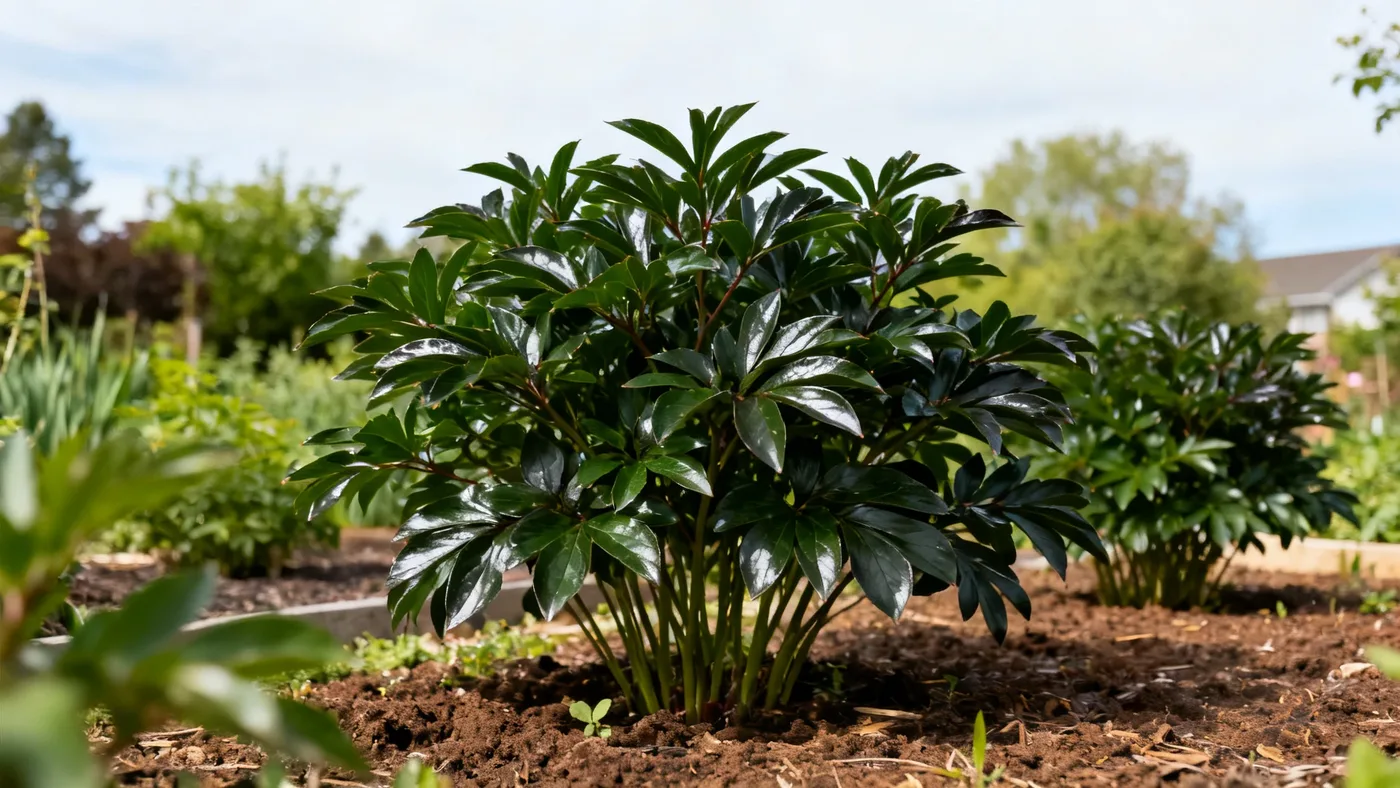
Kansas Peony Pests and Diseases: Common Problems and Fixes
Peonies are remarkably tough perennials, and Kansas Peony is no exception. In USDA zones 3-8, these deep red, double-flowered beauties can thrive for decades with minimal fuss. That said, they're not immune to problems. The most common kansas peony pests and peony diseases tend to emerge when spacing is tight, drainage falters, or air doesn't move freely through the foliage. The good news: most issues are preventable, and catching them early keeps your plants blooming strong. This guide walks you through the problems you're most likely to see, how to spot them, and exactly what to do.
1. Botrytis Blight (Gray Mold)
Botrytis blight is the number-one disease you'll encounter on Kansas Peonies, especially in cool, wet springs. This fungal disease thrives when foliage stays damp and air circulation is poor. You'll first notice it as a watery, grayish-brown rot on buds and flowers, followed by a dusty gray mold that spreads across the petals. Infected buds often fail to open, a problem gardeners call "bud blast." In severe cases, stems weaken and the entire flower collapses.
The fungus overwinters on dead plant material, which is why fall cleanup matters. Remove all fallen leaves and cut back foliage in late fall after frost kills the plants, cutting it to just a few inches above ground. This single step cuts overwintering spore populations dramatically. When shoots emerge in spring, space your plants 3 feet apart to ensure air moves freely through the clump. Avoid watering foliage; water only at the soil line.
If bud blast or gray fuzz appears mid-season, remove the affected stem as soon as you spot it. Dispose of it in the trash, not the compost bin. For persistent cases, a sulfur-based fungicide applied every 7-10 days during rainy stretches can help, but prevention (spacing, cleanup, airflow) stops most problems before they start.
Practical takeaway: Fall cleanup is your strongest defense. Space plants 3 feet apart for airflow, and water soil only, never foliage.
2. Leaf Spot (Cladosporium and Graphiopsis)
Leaf spot diseases appear as irregular brown or tan lesions with darker borders scattered across the foliage. You might not notice them until late summer, when affected leaves turn yellow and drop prematurely. These fungal diseases don't usually kill the plant, but heavy infection weakens it and makes the clump look shabby by August.
The same fungi that cause botrytis thrive in wet conditions and poor air circulation. Again, spacing is key. At 3 feet apart, Kansas Peonies have room to dry out after rain, and afternoon breezes flow through the foliage. If you notice spotting beginning, resist the urge to prune foliage before its time. Let the plant's natural fall decline carry it through; the spots don't spread in dry weather.
In late fall after frost, cut all foliage back to a few inches above ground and remove the cuttings from the bed. This removes the spores that would overwinter. For severe spotting that reappears year after year, a preventive sulfur spray in early spring as shoots emerge, and again in early summer, can reduce disease pressure. But most gardeners find that spacing, drainage, and cleanup alone handle peony leaf spot treatment.
Practical takeaway: Leave spotted foliage in place until fall; cut back hard in late fall and haul away the debris to eliminate overwintering spores.
3. Powdery Mildew
Powdery mildew appears as a white, dusty coating on leaves and stems, usually in mid to late summer. Unlike other peony diseases, it thrives in warm, dry air if the foliage stays crowded or shaded. You'll see it first on lower leaves where air stagnates. The good news: powdery mildew rarely kills peony foliage outright, but it's unsightly and can weaken the plant if it spreads widely.
The main culprit is poor air circulation. Crowding is the fastest way to create powdery mildew conditions. Space plants 3 feet apart and remove lower leaves if you live in a humid region. Avoid afternoon shade; Kansas Peony needs full sun (6+ hours daily) to keep foliage dry and discourage the fungus. If shade is unavoidable, it's one reason kansas peony problems emerge more often in shadier gardens.
If powdery mildew appears, spray affected foliage with sulfur every 7-10 days until it clears. You can also use a baking soda spray (1 tablespoon per gallon of water with a few drops of horticultural oil) as a gentler alternative. Stop spraying once mildew is under control. Fall cleanup helps here too; though the fungus doesn't overwinter severely, removing infested foliage keeps next year's start cleaner.
Practical takeaway: Plant in full sun and space 3 feet apart. At the first sign of white coating, spray with sulfur or baking soda solution every 7-10 days.
4. Root Rot (Phytophthora Blight)
Root rot caused by phytophthora fungi is the peony problem that's hardest to reverse because you don't see it until the damage is done. The fungus attacks roots in cold, waterlogged soil, causing them to rot. Affected plants show sudden wilting, yellowing foliage, or stunted growth despite adequate water. Roots feel soft and may smell musty or off.
The preventive fix is simpler than the cure: never plant Kansas Peony in poorly drained soil. These plants need fertile, humus-rich, well-drained loam and will not tolerate waterlogged soil, period. If your garden stays soggy after rain, amend the soil with compost to improve drainage, or plant in a raised bed where water doesn't linger. Also, plant the peony crown correctly: the eyes (the small reddish buds on the root clump) should sit no more than 1-2 inches below the soil surface. Planting too deep is a common mistake that invites root rot.
If a peony shows signs of root rot, dig it up in fall, examine the roots, and cut away any soft, mushy portions with a clean knife. Replant in well-drained soil at the correct depth, or discard it if most roots are affected. There's no fungicide that reliably reverses established root rot, so prevention is everything.
Practical takeaway: Plant only in well-drained soil. Ensure eyes sit 1-2 inches below soil surface, never deeper. Dig up and replace peonies that yellow or wilt despite adequate moisture.
5. Peony Scale
Peony scale is a small insect that appears as brown or grayish bumps on peony stems and canes. These tiny armored pests spend most of their lives stationary, sucking sap from the plant. They're easy to overlook until you notice weakened growth or unusually sparse flowering. Heavy infestations can significantly stress a peony, though they rarely kill it outright.
Scale insects overwinter on the stems and buds, making dormant season the ideal time to act. In late fall or early winter, before new growth emerges, spray the entire plant and soil around it with horticultural oil. This suffocates overwintering scale. Repeat the spray in early spring if scale appears again. The key is catching it before spring growth begins; once the plant leafs out, oil sprays are less effective on settled insects.
Another approach is to simply cut away heavily infested canes in late fall and spray the remaining stems with oil. Scale doesn't spread rapidly, and good general care, adequate sunlight, proper spacing, and fall cleanup, keeps infestations light. If scale reappears after oil treatment, it's usually because some eggs survived; a second application 7-10 days later catches the hatch.
Practical takeaway: Inspect stems in fall for brown bumps. Spray with horticultural oil in late fall or early spring before growth resumes.
6. Thrips
Thrips are tiny, sliver-like insects that attack peony flowers, especially as buds are opening. They rasp away petal tissue, leaving brown streaks and pitting that spoil the bloom's appearance. You might not see the insects themselves (they're barely visible to the naked eye), but the damage is clear: distorted, discolored petals and sometimes premature bloom drop.
Thrips are harder to control than scale or mildew because they move constantly. Horticultural oil is less effective on thrips than on scale. Instead, use a pyrethrin-based insecticide or sulfur spray applied to flowers just as buds begin to show color, and again 7-10 days later. Some gardeners use neem oil, though it's less reliable. The challenge with thrips is timing: you have to catch them before they burrow into tightly closed buds.
Prevention relies on keeping the plant healthy and avoiding extreme heat stress. Thrips populations spike in very hot, dry conditions. Water consistently during heat waves, and maintain good air circulation to prevent the stress that makes plants susceptible to thrips damage. Most home gardens with well-spaced, well-watered peonies see minimal thrips damage; it's more common in stressed or overcrowded plants.
Practical takeaway: Spray open flowers with pyrethrin or sulfur-based insecticide at the first sign of brown streaking. Consistent watering and spacing reduce thrips pressure.
7. Root-Knot Nematodes
Root-knot nematodes are soil-dwelling parasites that attack roots, causing them to swell and deform. An infested peony shows poor vigor, stunted growth, and weak flowering despite adequate care. If you dig up a peony with nematode damage, you'll see galls or lumps on the roots where the nematodes feed.
Nematodes are difficult to control once they're in the soil. There's no reliable nematicide for home gardeners that's both safe and effective. The best approach is prevention: avoid planting in soil known to have nematode problems, and don't move soil from an infested bed to a clean one. If you suspect nematodes, have your soil tested by your local extension service to confirm the diagnosis before digging up the plant.
If a peony is badly stunted by nematodes, your best option is to remove it and the soil around its roots, then try replanting in a different location with fresh soil. For most gardeners, nematodes are a non-issue; they're more common in warm southern regions and sandy soils. Proper drainage and regular mulching reduce conditions that favor nematode populations.
Practical takeaway: Contact your extension service if peonies look stunted for no apparent reason. Have soil tested for nematodes; if confirmed, dig out the plant and replant elsewhere.
8. Bud Blast
Bud blast is when flower buds form but fail to open, shriveling or rotting before the bloom can emerge. This is one of the most frustrating kansas peony problems and has two main causes: botrytis blight (discussed above) or planting too deep. Each requires a different fix, so diagnosis matters.
If buds fail to open but there's no visible gray mold, check your planting depth. The eyes of the peony should sit no more than 1-2 inches below the soil surface. If you planted deeper, that's likely your problem. Peonies planted more than 2 inches deep struggle to produce blooms, and buds often fail to open even if they form. Dig up the plant in fall, cut off the foliage, and replant at the correct depth (eyes 1-2 inches down), then water well through the first winter.
If planting depth is correct and buds still blast, botrytis is the culprit. Follow the prevention steps outlined in the Botrytis section: space plants 3 feet apart, improve air circulation, and cut back foliage hard in fall. In spring, watch buds as they develop. If you see any sign of gray fuzz or water-soaked spots, remove the affected buds at once and dispose of them in the trash. Don't compost them.
Practical takeaway: Check planting depth first: eyes should be 1-2 inches below soil. If depth is correct, improve air circulation and fall cleanup to prevent botrytis-related bud blast.
Quick Reference: Kansas Peony Problem Solver
| Problem | Signs to Look For | Best Fix | Best Timing |
|---|---|---|---|
| Botrytis Blight | Gray mold, rotting buds and flowers | Remove affected parts, improve airflow to 3 ft spacing, fall cleanup | Spring and early summer |
| Leaf Spot | Brown lesions on leaves, yellowing in late summer | Fall cleanup, space 3 ft apart, sulfur spray if severe | Late summer onward |
| Powdery Mildew | White coating on leaves and stems | Sulfur or baking soda spray every 7-10 days, improve air flow | Mid to late summer |
| Root Rot | Wilting, yellowing despite moisture, soft roots | Plant in well-drained soil, bury eyes 1-2 in deep only | Prevention only; no cure |
| Peony Scale | Brown or gray bumps on stems | Horticultural oil spray in late fall or early spring | Late fall and early spring |
| Thrips | Brown streaks on petals, distorted blooms | Pyrethrin or sulfur spray on flowers every 7-10 days | As buds open and first blooms appear |
| Root-Knot Nematodes | Stunted growth, lumpy roots, poor flowering | Have soil tested by extension service, remove plant if severe | Prevention; test if stunting occurs |
| Bud Blast | Buds form but don't open, shrivel or rot | Check planting depth (1-2 in), improve airflow and cleanup | Spring and early bloom time |
Most kansas peony problems come down to three factors: spacing (3 feet apart), drainage (well-drained loam, eyes 1-2 inches deep), and fall cleanup. These three practices prevent the moisture and air stagnation that fungi love, and remove the spores that overwinter. For more on keeping Kansas Peonies healthy and blooming year after year, see our complete growing guide.