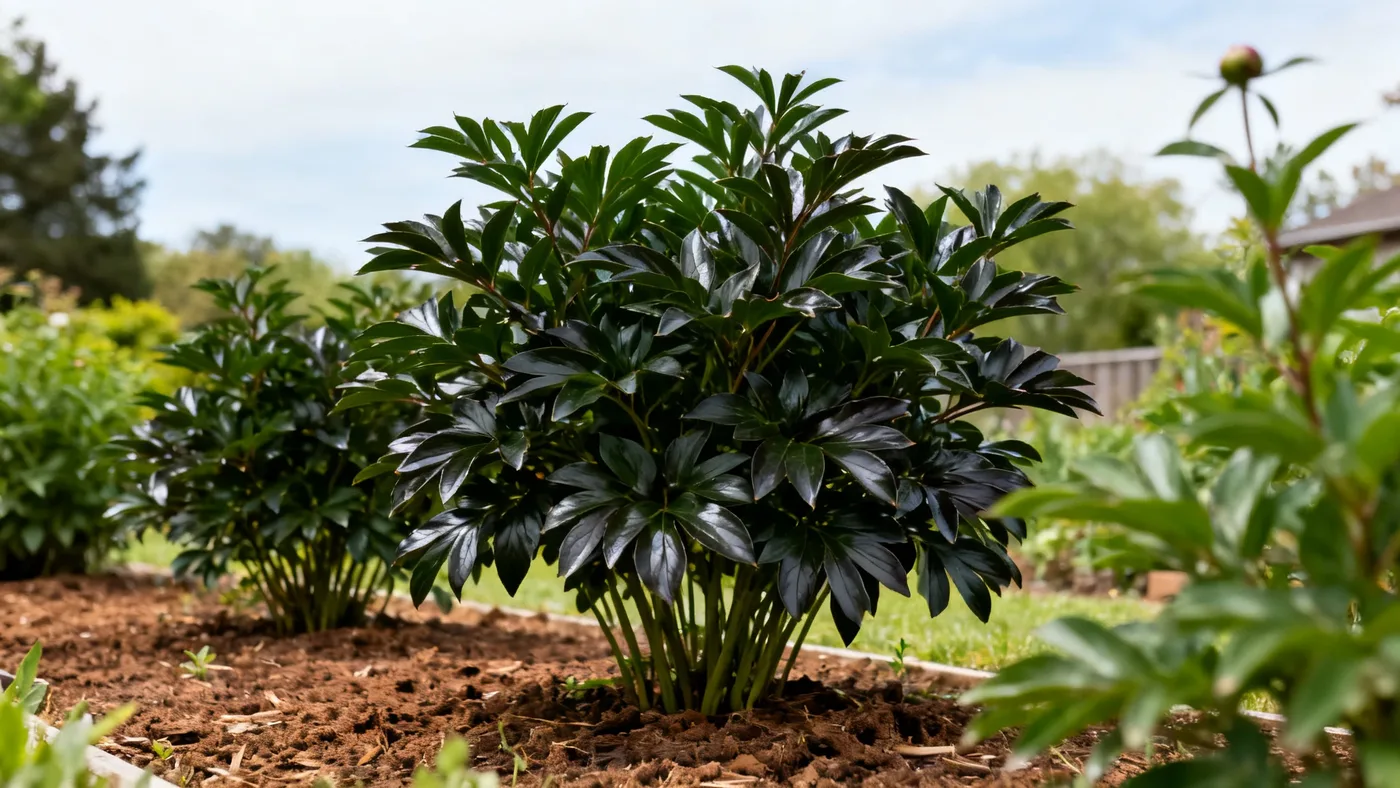
Pruning Kansas Peony: When and How to Cut It Back
Kansas Peony is a low-maintenance plant once established, but proper pruning at the right times keeps it vigorous, disease-free, and blooming reliably year after year. The plant sets blooms in spring, and the key to a long-lived peony is managing what happens after those flowers fade and preparing the plant for winter dormancy. This guide walks you through both the spring deadheading that extends bloom season and the critical fall cutback that protects your peony from disease.
Timing: The Two Pruning Seasons for Kansas Peony
Kansas Peony requires pruning at two distinct times in the year, each with a different purpose. Spring pruning (deadheading) removes spent blooms and encourages the plant to direct energy where you want it. Fall pruning (cutting back) is the more critical task, and it directly reduces disease pressure.
Your peony typically blooms in early-to-midseason, around late May depending on your zone and local spring weather. Deadheading begins as soon as flowers fade and continues into early June. The fall cutback happens later, after the first hard frost has killed back the foliage, usually in late October through November.
Materials and Tools You'll Need
Pruning peonies does not require specialized equipment, but having the right tools on hand makes the work cleaner and safer for both you and the plant.
- Sharp pruning shears or secateurs (for deadheading during bloom season)
- A sturdy pruning saw or lopping shears (for the fall cutback of thicker stems)
- Garden gloves (thick leather or nitrile protect your hands from thorns and rough stems)
- A garden bag or bucket for collecting pruned material
- Rubbing alcohol or 10% bleach solution (for sanitizing tools between plants)
- Lightweight garden stakes or peony rings (optional, for supporting flopping stems during heavy bloom)
Clean your tools before you start. Wiping the blades with rubbing alcohol removes any pathogens from previous pruning work and reduces the risk of spreading fungal diseases like botrytis blight.
Spring Deadheading: Removing Spent Blooms
Deadheading during the bloom season does not directly shape the plant, but it removes material that would otherwise collect moisture and harbor disease spores. It also keeps the plant looking tidy and channels energy away from seed production.
Step-by-Step Deadheading Process
- Wait for the bloom to fade completely. The deep red petals of Kansas Peony will begin to lose their intensity and may show browning at the edges. This typically happens 7 to 10 days after the bloom reaches full size.
- Cut just below the spent bloom. Using sharp pruning shears, cut the stem about one-quarter inch below where the flower begins to separate. Leave the rest of the stem and foliage intact; the leaves are still feeding the plant and the underground storage roots.
- Remove only the flower head. Do not cut back the entire stem or remove large sections of foliage. The plant relies on those leaves to manufacture nutrients for next year's buds.
- Discard the pruned material. Put spent blooms in your compost pile or yard waste, not in a garden bed where they might harbor pest eggs or fungal spores over winter.
- Repeat every few days as blooms fade. Kansas Peony does not produce a flush of new buds in succession, so deadheading is a simple maintenance task rather than heavy pruning.
After the last bloom fades, stop deadheading and let the stem and foliage stand. The plant enters its summer growth phase, building reserves in its tuberous roots for the following year.
Summer and Early Fall: Minimal Intervention
From June through September, your Kansas Peony needs no pruning. The dark green, glossy compound leaves continue to photosynthesize and send energy into the underground storage roots. Do not remove any foliage during this period, even if leaves show minor spotting or powdery mildew.
The only exception is if you notice extreme leaf damage from thrips, peony scale, or severe leaf spot. If more than one-third of the foliage appears diseased or damaged, consult your local extension service before removing material; in most cases, it is safer to allow the plant to complete its cycle and focus disease management on the fall cutback.
The Critical Fall Cutback: Disease Prevention and Plant Health
This is the most important pruning task in the peony calendar. The fall cutback removes all above-ground foliage and stems, which is the single most effective way to reduce overwintering disease spores. Botrytis blight, leaf spot, and powdery mildew all overwinter on dead peony foliage. Removing that material breaks the disease cycle and sets your plant up for a cleaner, healthier growing season the following spring.
When to Perform the Fall Cutback
Timing matters here. Cut back after the first hard frost has killed the foliage, not before. A hard frost is one that drops temperatures to 28 degrees Fahrenheit or lower and turns the entire above-ground plant dark or blackened. In most parts of the country, this happens in late October through early November.
Cutting back too early, while some foliage is still green, interrupts the plant's final nutrient transfer from leaves into the roots. Wait for the frost. The plant will signal readiness when the foliage loses its color and begins to wilt.
Step-by-Step Fall Cutback Instructions
- Observe the first hard frost. After a night when the temperature dropped below 28 degrees Fahrenheit and the peony foliage is visibly dead, plan your cutback for the next clear day.
- Cut all stems to a few inches above ground. Using sharp pruning shears or a pruning saw, cut each stem to approximately 2 to 3 inches above the soil line. Your goal is to remove all visible above-ground material while leaving a small stubble that marks where the plant is located.
- Make cuts at a slight angle. This allows water to run off the cut surface and reduces the chance that water pools on top of the remaining stub, which can invite rot.
- Collect and remove all cut material. This is not optional. Gather every piece of stem, leaf, and bloom debris and remove it from the garden bed entirely. Do not compost peony foliage if you have had disease problems in the past; dispose of it in yard waste, burn it (where permitted), or bag it for municipal pickup. Do not leave any material lying on the soil.
- Clear the area around the base of the plant. Remove any fallen leaves or plant material from previous years that may have accumulated around the peony crown. This opens up air circulation and removes additional disease overwintering sites.
- Do not fertilize or amend the soil after the cutback. The plant is entering dormancy, and additional nitrogen at this time encourages tender new growth that can be damaged by freeze-thaw cycles.
Once the cutback is complete, you can move on to other fall garden tasks. Your Kansas Peony will rest underground through the winter, protected by the soil. In spring, as soil warms and day length increases, new shoots will emerge from the crown to begin the cycle again.
Tips and Common Mistakes to Avoid
Tip: Support Heavy Bloomers with Staking
Kansas Peony produces full double blooms that become heavy when wet with dew or rain. If your plant shows flopping stems during the bloom season, install a peony ring or lightweight stake in late April, before the buds swell. This prevents stem breakage and keeps the blooms visible and accessible for deadheading.
Tip: Clean Your Tools
If you prune multiple peonies or move between different perennial beds, sanitize your shears with rubbing alcohol or a 10% bleach solution between cuts. This simple step stops fungal and bacterial diseases from spreading plant to plant.
Mistake: Cutting Back Too Early
Removing foliage before the first hard frost robs the plant of the chance to move sugars and nutrients into the roots. The plant may emerge weaker in spring, produce fewer blooms, or take longer to establish. Always wait for the frost.
Mistake: Leaving Pruned Material in the Bed
Peony foliage is a major overwintering site for botrytis and other fungal spores. Leaving any stems, leaves, or debris in or near the bed guarantees that disease will return in spring. Remove everything, every time.
Mistake: Over-Pruning During the Growing Season
Do not remove large sections of foliage in summer or early fall, even if the plant looks a bit ragged. The leaves are the only way the plant manufactures the reserves it needs for next year's blooms. Remove only spent flowers and any material that is severely diseased.
What to Expect After Pruning
After the spring deadheading, your Kansas Peony will continue to grow and the remaining stems and foliage will remain standing through summer. You may notice the foliage developing bronze or burgundy tones as fall approaches, which is a normal part of the plant's seasonal cycle.
After the fall cutback, the bed will look bare. This is correct. The plant has withdrawn all its energy into the tuberous roots beneath the soil. Over winter, those roots remain dormant and protected. Starting in mid-spring (timing varies by zone), you will see new red-tinged shoots emerge from the soil. These will grow into tall stems with compound leaves, eventually producing deep red double blooms in late May or early June.
Consistent annual pruning sets the stage for a long, healthy life. Peonies commonly persist and bloom for 50 or more years when given basic care, and proper pruning is a key part of that longevity.
Quick Reference: Pruning Checklist
| Task | Timing | What to Cut | Key Point |
|---|---|---|---|
| Deadheading | Late May through early June, as blooms fade | Spent flower head only; leave stem and foliage | Remove debris to reduce disease; do not cut back entire stem |
| Summer maintenance | June through September | None (deadheading only if bloom occurs) | Leave all foliage intact; the plant is building root reserves |
| Fall cutback | Late October through November, after first hard frost | All stems and foliage to 2-3 inches above ground | Remove all material from the bed; this prevents disease overwinter |
| Winter | December through March | None | Plant is dormant; no action needed |
Build Your Peony Care Knowledge
Pruning is one piece of successful peony growing. For a complete overview of Kansas Peony care including planting depth, spacing, soil preparation, and troubleshooting bloom problems, see our complete growing guide to Kansas Peony care.