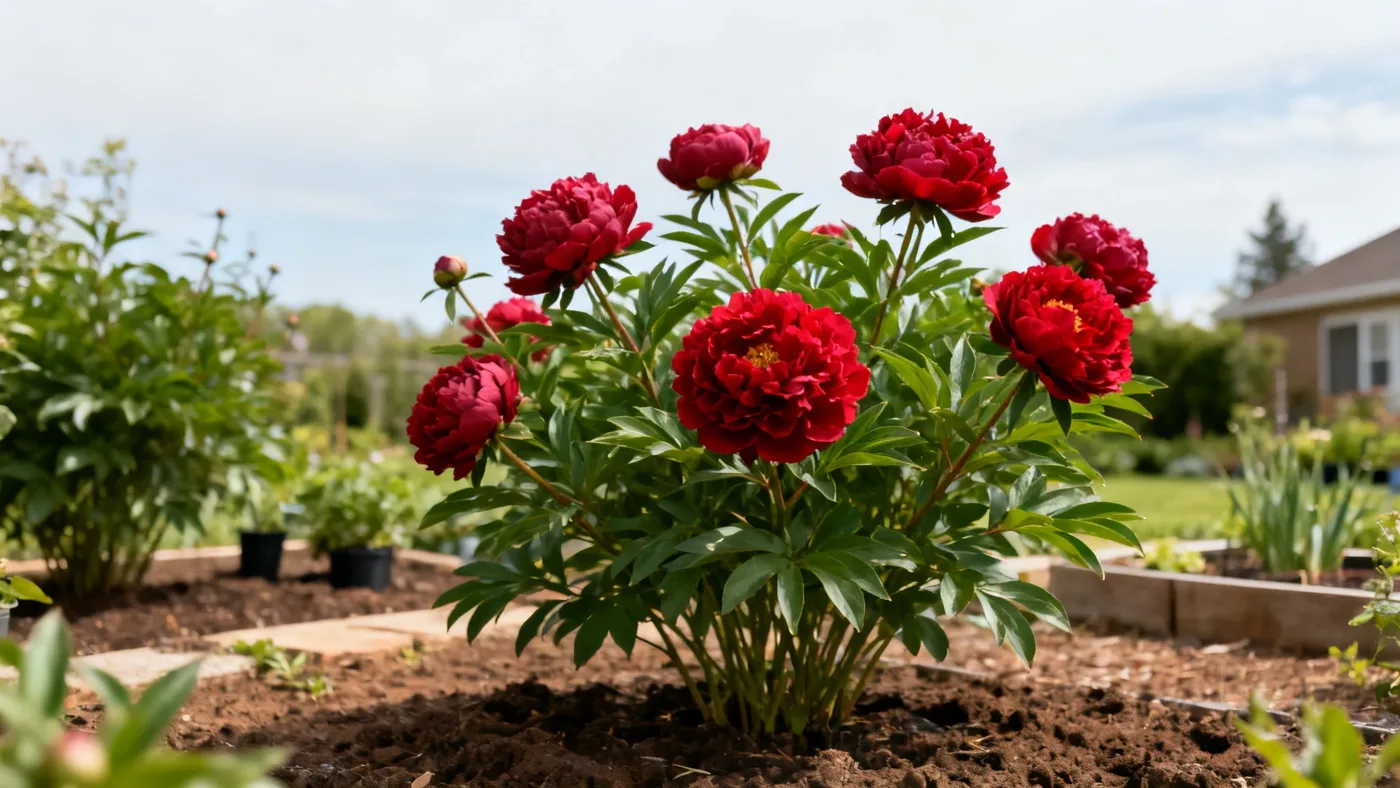
Kansas Peony Bloom Time: When and How Long It Flowers
If you planted Kansas Peonies this fall or are planning to add them to your garden next spring, one of the first questions on your mind is probably: when will they actually bloom? It's late September now, and with the growing season winding down, many gardeners shift their focus to planning next year's displays. Kansas Peony bloom time is reliably predictable, but the exact timing depends on where you garden and how your plants are established. Understanding when to expect flowers, how long they last, and how to get the most from your blooms can turn a casual planting into a showstopping focal point in your garden.
Kansas Peony Bloom Time by Zone
Kansas Peonies are a late spring, early-to-midseason bloomer. In most of North America, you can count on flowers arriving in May. However, the exact timing shifts by 2 to 4 weeks depending on your region and USDA zone.
The plant grows reliably in zones 3 through 8. In colder zones (3-4), expect blooms in late May to early June. In moderate zones (5-6), bloom typically peaks in mid-to-late May. Southern gardeners in zones 7-8 often see flowers open in early-to-mid May, sometimes even late April in mild springs. These shifts reflect how local temperature patterns, day length, and spring weather progression affect the plant's flowering schedule.
To narrow down your own timing, check your local extension service or talk to regional nurseries. Microclimates matter too. A protected south-facing bed may push blooms a week or two earlier than an exposed north-facing location. Similarly, plants in containers warm up faster than in-ground plantings, potentially advancing bloom by several days.
Kansas Peony Flower Color and Form
Kansas Peony bloom color is unmistakable: deep red to rose-red double blooms in a bomb form. This means a full, rounded flower with a dense center of petaloids (modified stamens) surrounded by a ring of outer petals. The contrast between the deep red and the complex layering of petals makes for a striking display, quite different from single-form or semi-double peonies.
One thing to know: red-flowered peonies like Kansas generally have little to no fragrance. If scent is important to your garden, you might pair Kansas Peonies with fragrant companions like bearded iris or catmint, which bloom around the same time and fill the air with scent while Kansas adds the visual punch. The bloom color itself is long-lasting and holds well in bright sun, though in zone 7-8 gardens where afternoon temperatures soar, some petal edges may fade slightly. Full sun (6 or more hours daily) keeps the color deep and the blooms abundant.
How Long Do Peonies Bloom?
A single Kansas Peony flower typically lasts 7 to 10 days once it opens, depending on temperature and sun exposure. Cooler springs extend bloom life; hot spells shorten it. Because each clump produces multiple buds that open over several weeks rather than all at once, the overall peony bloom season for a single plant can stretch 3 to 4 weeks. This staggered opening is one reason peonies are prized cut flowers and garden anchors. You get weeks of color from one planting.
Ants are commonly seen visiting the buds and flowers. They feed on sweet secretions the plant produces and are harmless to the peony. Some gardeners worry that ants prevent bud opening, but this is a misconception. The ants are benign visitors and don't interfere with the plant's flowering.
Extending Your Kansas Peony Bloom Window
To stretch your bloom season even further, consider a few tactics. First, plant both early and mid-season peonies nearby. While Kansas is an early-to-midseason type, pairing it with a true early bloomer extends the window by a week or two on the front end. Second, deadhead spent flowers promptly. Removing faded blooms signals the plant to stop flowering and focus energy on seeds. By taking off individual spent flowers with a clean cut just above a leaf, you keep the plant flowering longer and maintain a tidy appearance.
Third, manage afternoon shade in zone 7-8 gardens if you want to prolong bloom. A bit of afternoon shade in scorching climates can slow petal drop and keep blooms fresh longer. However, remember that more than light afternoon shade reduces flowering and stem strength overall. Full sun remains the gold standard for bloom production and flower quality.
Seasonal Care for Maximum Blooms
Bloom quality starts well before May flowers appear. In early spring as shoots emerge, apply a light application of low-nitrogen, phosphorus/potassium-leaning fertilizer or well-aged compost. Excess nitrogen pushes leafy growth at the expense of blooms and often leads to floppy stems that can't support heavy flowers without staking.
Right now, in late September, your job is to prepare for next year. If your Kansas Peonies are already in the ground, let them settle in. Water regularly during fall if rains are light; established plants need consistent moisture to develop strong buds for spring. In late fall, after frost has killed back the foliage (usually November in most zones), cut the stems back to just a few inches above the soil and remove all debris. This reduces the spore load of diseases like botrytis (gray mold) that can affect spring growth and buds.
When to Expect Blooms: Plant Age and Timing
A critical note: newly planted Kansas Peonies may produce a few flowers in their first or second year, but they rarely perform at full potential until 3 to 4 years after planting. This isn't a flaw. Peonies are long-lived perennials, and they spend their early years building a robust root system. Once a mature clump establishes, you'll get consistent, abundant blooms year after year for decades. Many gardeners report that peonies planted 50+ years ago are still flowering reliably. The wait for full performance is well worth the reward of a lifetime plant.
If you planted divisions with 3-5 eyes (dormant buds), you're more likely to see blooms sooner than if you planted very young seedlings or small divisions. Check your receipt or planting notes to see what you received.
Troubleshooting Bloom Failures
The most common reasons Kansas Peonies fail to flower are planting too deep and insufficient light. Eyes (the dormant buds at the crown) should sit no more than 1 to 2 inches below the soil surface. Planting deeper than this suppresses flowering for years. If your plants aren't blooming and you suspect deep planting, gently excavate around the crown in fall and raise it slightly. It takes time to correct, but it's worth the effort.
If your plants are light-starved (less than 6 hours of direct sun), consider pruning nearby trees or shrubs to open up the planting area. Relocating the peonies in fall is another option. While peonies tolerate light afternoon shade in hot regions, anything more than that undermines both bloom production and stem strength.
Planning Ahead for Next Season
Use these quiet months to think about how Kansas Peonies fit into your spring garden. They pair beautifully with bearded iris, catmint, and Siberian iris, all of which bloom in the same late spring window. Space new plantings 3 feet apart to allow good air circulation and room for the clump to reach its mature width of 24 to 36 inches over 3 to 4 years. If you want to cut flowers for arrangements, note that Kansas Peonies bloom mid-to-late May, so they may coincide with other May favorites like roses. Mixing them in a cutting garden ensures a steady supply of bouquet material.
For more detailed growing guidance, see our Kansas Peony Care: The Complete Growing Guide, which covers planting depth, spacing, soil needs, and year-round maintenance.
Kansas Peony Bloom Time Quick Reference
| Factor | Details |
|---|---|
| Bloom season | Late spring (May in most zones) |
| Zone 3-4 timing | Late May to early June |
| Zone 5-6 timing | Mid-to-late May |
| Zone 7-8 timing | Early-to-mid May |
| Individual bloom duration | 7 to 10 days |
| Overall plant bloom period | 3 to 4 weeks (staggered bud opening) |
| Bloom color | Deep red to rose-red double flowers |
| Fragrance | Slight to none |
| Years to full flowering potential | 3 to 4 years after planting |
| Sun requirement for best blooms | 6+ hours full sun |
| Plant spacing | 3 feet apart |
| Fall cleanup timing | After first frost, cut back foliage to 1-2 inches |