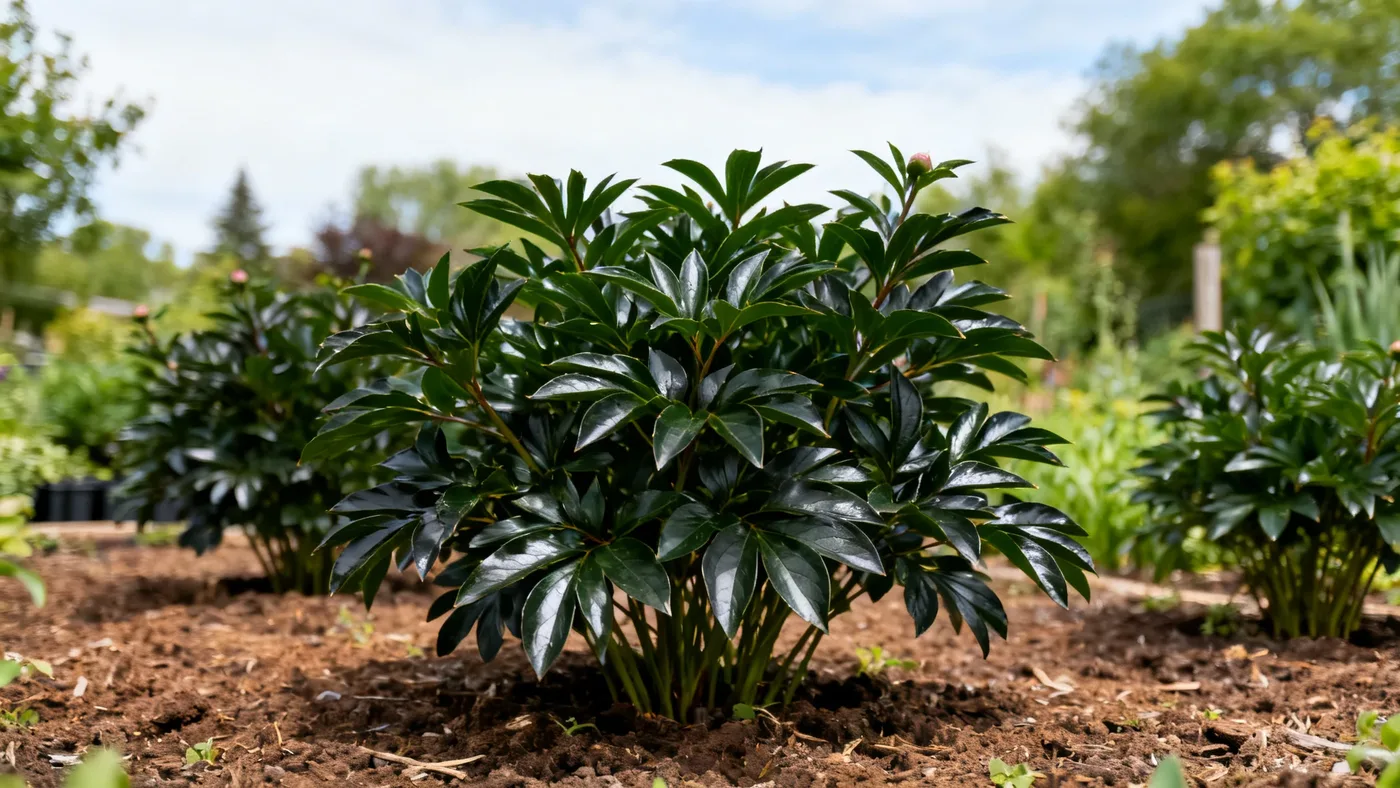
Kansas Peony Hardiness Zones: Where It Grows Best
Kansas Peony (Paeonia lactiflora 'Kansas') is a tough, long-lived perennial that thrives across a wide range of climates. Whether you live where winters are harsh or summers are hot, knowing your hardiness zone helps you plant with confidence and understand what to expect from your peony. This guide answers your most common questions about growing Kansas Peonies in different regions.
Zone Coverage and Hardiness
What USDA hardiness zones are Kansas Peonies suitable for?
Kansas Peonies are hardy in USDA zones 3 through 8. This range covers much of North America, from the coldest corners of the upper Midwest and Northeast down to the warmer parts of the South. The cultivar was bred for durability and handles winter freezes reliably across all these zones.
Can I grow Kansas Peonies in zone 9 or warmer?
Zone 9 falls outside the recommended peony zones 3-8 range for Kansas Peony. While a plant might survive a mild winter, the lack of adequate winter chilling hours can reduce flowering and overall vigor. If you're in zone 9, check with your local extension service about peony varieties better suited to your climate.
What makes Kansas Peonies winter hardy?
Kansas Peonies are herbaceous perennials with tuberous roots that naturally adapt to freeze-thaw cycles. The plant dies back to the crown each fall, protecting the buds and root system underground where they stay safe from winter damage. This survival strategy is the same one that has kept peonies alive in harsh climates for over a century.
Are Kansas Peonies winter hardy without special care?
Yes, Kansas Peonies require no winter protection, wrapping, or special hardening techniques once established. Simply cut back the dead foliage in late fall after frost kills it back, and the plant will emerge reliably in spring. No mulching or moving indoors is needed.
How do I know if my zip code falls within a suitable zone?
Visit planthardiness.ars.usda.gov and enter your zip code to find your USDA zone. Once you know you're in zones 3 through 8, Kansas Peonies are a safe choice for your climate. If you're borderline between zones, contact your local extension service for region-specific advice.
Regional Growing Challenges
How do Kansas Peonies perform in hot, southern climates (zones 7 to 8)?
Kansas Peonies do well in zones 7 and 8 but appreciate afternoon shade in the hottest part of summer. Full sun is still ideal (6 or more hours daily), but afternoon shade helps protect blooms and foliage in intense heat. In these warmer zones, consistent watering the first 1 to 2 years ensures strong establishment.
Do Kansas Peonies need special care in zone 3?
No special care is required. Zone 3 is actually one of the easiest climates for Kansas Peonies since cold tolerance is not a concern. The main consideration is planting in fall rather than spring, which gives roots time to establish before the next year's growth.
What's different about growing Kansas Peonies in zone 3 versus zone 8?
In zone 3, peonies get plenty of winter chilling and typically bloom on a predictable schedule in late May. In zone 8, the same plant may need afternoon shade to maintain strong flowers, and bloom timing can shift to early May depending on warm spells. Both zones support healthy, long-lived plants; the main differences are light and timing.
Can Kansas Peonies survive a late spring frost?
Yes. While an unexpected late frost may damage tender new shoots or emerging buds, the plant's underground structure is well protected. A lost flower crop that year is the worst-case scenario; the plant will bounce back the following spring with no permanent harm.
Planting and Establishment
When should I plant Kansas Peonies in my zone?
Fall is the preferred planting season across all zones, as it allows roots to establish before the next spring's growth. Container-grown plants can also be planted in spring, but planting in the heat of summer is not recommended. Newly planted peonies need consistent moisture those first 1 to 2 years while they establish.
Should I plant bare-root Kansas Peonies in fall or spring if I'm in zone 3?
Fall is best, even in zone 3. Planting in fall (after the initial frost) gives roots time to anchor into the soil before winter hardening. This creates stronger plants by the following spring and typically results in better flowering sooner.
How long does a newly planted Kansas Peony take to establish?
Expect the plant to reach its full clump size and flowering potential in about 3 to 4 years. During this time, it gains roughly 6 to 12 inches of spread per year. Water regularly the first 1 to 2 years, and the plant becomes moderately drought tolerant once established.
Can I expect Kansas Peonies to bloom the first year after planting?
You may see a few blooms the first year or two, but full flowering typically doesn't occur until year 3 or 4. This is normal and no cause for concern; the plant is investing energy into root establishment. Once established, a single plant will reward you with decades of reliable blooms.
Cold Weather Care
Do I need to mulch Kansas Peonies for winter?
Once established, no winter mulch is necessary. The plant's natural dormancy provides all the protection needed in zones 3 through 8. If you choose to mulch, keep it light and pull it back in early spring to allow new shoots to emerge easily.
Should I cut back my Kansas Peony in fall?
Yes, cut the foliage back to a few inches above ground in late fall after frost kills it back. This reduces overwintering disease spores and keeps the garden neat. Wait until after the first hard frost to be sure the plant has moved all resources underground.
Will my Kansas Peony die back completely in winter?
Complete die-back is the correct expectation. As a herbaceous perennial, Kansas Peony loses all above-ground growth in fall. The tuberous roots remain alive underground, protected by soil, and will produce new shoots in spring. This die-back is a sign of health, not weakness.
What happens if winter is unseasonably warm in my zone?
A warm spell may trick the plant into sending up early shoots, but these tender new growths will be killed by the next frost. The main roots are still safe, and the plant will try again as temperatures stabilize. This is a minor setback with no long-term consequences.
Bloom Timing by Zone
When will my Kansas Peony bloom in my specific zone?
Kansas Peony is an early-to-midseason bloomer, typically flowering in May. The exact timing shifts 2 to 4 weeks depending on your region and zone. Northern zones (3 to 4) often see blooms in late May, while southern zones (7 to 8) may bloom in early May.
Why does bloom timing vary so much by zone?
Bloom timing depends on soil temperature, day length, and accumulated warmth after winter. Colder zones need more time to warm up, pushing blooms later in the season. Warmer zones wake up and flower earlier in the year.
Sunlight and Climate Conditions
How much sun do Kansas Peonies need in warm zones like zone 8?
Kansas Peonies still prefer full sun (6 or more hours daily) even in zone 8. In the hottest climates, light afternoon shade is tolerated and even beneficial, but morning sun is important for strong stems and abundant flowers. Avoid deep shade, as this significantly reduces flowering.
Can I grow Kansas Peonies in partial shade in zone 8?
Yes, but with expectations adjusted. Light afternoon shade is acceptable in hot zones, but shade reduces both flower count and stem strength. If your zone 8 location gets 4 to 6 hours of sun (especially morning sun), a Kansas Peony will still bloom and thrive, just with fewer flowers.
Will my Kansas Peony flower less in a shadier location?
Definitely yes. Lack of sun is one of the most common reasons peonies fail to bloom. For the best flowers and strongest growth, aim for at least 6 hours of direct sun daily. Even in warm southern zones, do not plant peonies in deep or dappled shade.
Soil and Water by Zone
What soil do Kansas Peonies need in colder climates like zone 3?
The same soil works everywhere: fertile, humus-rich, well-drained loam with soil pH between 6.5 and 7.0 (slightly acidic to neutral). In zone 3, good drainage is just as important as it is in warmer zones, as waterlogged soil causes root rot regardless of temperature. Amend heavy clay with compost before planting.
How often should I water newly planted Kansas Peonies in different zones?
Water regularly (aim for 1 inch per week) the first 1 to 2 years in all zones, spring through fall. Reduce watering frequency as the plant matures and develops deeper roots. Zone 3 and 4 soils may retain moisture longer; zones 7 and 8 may dry out faster in summer heat.
Do established Kansas Peonies need less water once they're drought tolerant?
Yes. Once established, Kansas Peonies become moderately drought tolerant and need supplemental watering only during extended dry spells. Even in warm zones, an established peony survives occasional missed waterings. This makes them a low-maintenance choice for mature gardens.
Quick Reference: Kansas Peony by Zone
| Zone | Winter Hardiness | Typical Bloom Time | Sun Needs | Key Consideration |
|---|---|---|---|---|
| 3 to 4 | Excellent | Late May | Full sun (6+ hours) | Plant in fall for best root establishment. No winter protection needed. |
| 5 to 6 | Excellent | Mid to late May | Full sun (6+ hours) | Versatile climate. Fall or spring planting both work well. |
| 7 | Good | Early to mid-May | Full sun, light afternoon shade acceptable | Afternoon shade helps in peak summer heat. |
| 8 | Good | Early May | Full sun, afternoon shade recommended | Requires consistent water first 1-2 years. Afternoon shade protects blooms and extends flowering. |
Learn More
Ready to plant Kansas Peonies? For step-by-step instructions on soil preparation, spacing, planting depth, fertilizing, and seasonal care tailored to your hardiness zone, see our complete growing guide. Whether you're in zone 3 or zone 8, you'll find the details to set your peony up for decades of reliable blooms.